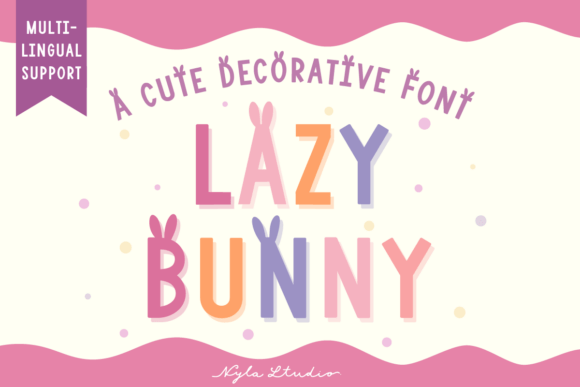
Lazy Bunny Font for Web Design
Lazy Bunny is a playful decorative font that brings a whimsical touch to digital design. Its soft curves and casual style make it ideal for creative projects that need a friendly, approachable tone. Whether you're working on Easter-themed designs or modern branding, Lazy Bunny adds character without overwhelming the layout.
As a web designer, I appreciate fonts that balance personality with usability. Lazy Bunny excels in this area, offering a unique visual identity while maintaining legibility in key design elements. Its versatility allows it to work well in headers, buttons, and decorative accents across various digital platforms.
Using Lazy Bunny in Web Layouts
For website headers and hero sections, Lazy Bunny can serve as a bold display font. It draws attention without being too loud, making it perfect for call-to-action areas or landing pages. When used sparingly, it enhances the visual hierarchy and helps guide user focus through the page.
In online stores, Lazy Bunny works well for banners and promotional graphics. It adds a sense of fun to product pages, especially for brands targeting a younger or more playful audience. Pairing it with a clean sans serif font for body text ensures readability while keeping the design cohesive.
On blog headers or social media graphics, Lazy Bunny provides a personal, handwritten feel. It’s great for headlines that aim to engage readers with a sense of warmth and creativity. However, it's best suited for short phrases rather than long paragraphs, where clarity is essential.
Brand Identity and Visual Hierarchy
When building a brand identity, consistency is key. Lazy Bunny can be used as a signature font for logos, stationery, or packaging design. Its playful nature reinforces a brand’s personality, making it memorable and relatable. For example, a boutique online store selling handmade goods could use Lazy Bunny in its logo and product titles to create a cohesive aesthetic.
In conversion-focused layouts, such as course sales pages or product landing pages, Lazy Bunny can highlight key messages. Using it for headings or subheadings helps break up content and draw attention to important details. However, it's important to maintain contrast with background colors and other design elements to ensure legibility.
For mobile responsiveness, Lazy Bunny works best at larger sizes. On smaller screens, it may lose some clarity if not properly spaced. Testing it on different devices and adjusting line heights and letter spacing can improve readability without sacrificing its charm.
Font Pairing and Design Assets
Pairing Lazy Bunny with a simple sans serif font creates a balanced look. This combination is ideal for websites that require both visual interest and clear communication. A serif font might also work well for editorial-style designs, adding a touch of sophistication while keeping the overall look modern.
When using Lazy Bunny in digital ads or social media graphics, consider its placement against images or dark backgrounds. Adding a subtle shadow or adjusting the color can help it stand out without clashing with the surrounding design. For light backgrounds, a slightly bolder weight might be needed to ensure visibility.
Before integrating Lazy Bunny into a project, check the available styles and file formats. Ensure it includes webfont options for easy implementation on websites and digital assets. If the font offers alternates or multilingual support, that can be a valuable addition for global audiences.
Commercial Licensing and Digital Use
For commercial projects, always verify the licensing terms of Lazy Bunny. Most fonts allow use on websites, client projects, and online stores, but specific restrictions may apply. Understanding these terms helps avoid legal issues and ensures the font is used appropriately across all digital platforms.
As a digital product creator, I rely on fonts that offer flexibility and reliability. Lazy Bunny fits this need by providing a distinct visual style that enhances brand expression without compromising usability. Whether designing a creative portfolio or a coaching website, it adds a touch of personality that resonates with the target audience.
Ultimately, Lazy Bunny is more than just a decorative font—it's a tool for storytelling through typography. Its ability to convey emotion and style makes it a valuable asset in any designer's toolkit, especially when creating engaging and visually appealing digital experiences.